





The cathedral churches have been playing a dominant role in the human civilization. They then are far more than the heights of their buildings and their religious implication; they are living communities of life, worship, and do-maintaining culture. These places of worship do not just depict the religious nature of an area but they are historic repositories of history to inhabit and to hold a community together. The cathedral churches are still evolving even in the contemporary world which is evolving rapidly bringing with it the aspects of tradition and modernity. The multidimensional character of them gives us an appreciation of the contribution made by these structures to the society in the spiritual, cultural and community aspects.
The Spiritual Heart: Sacrificial Place of Worship
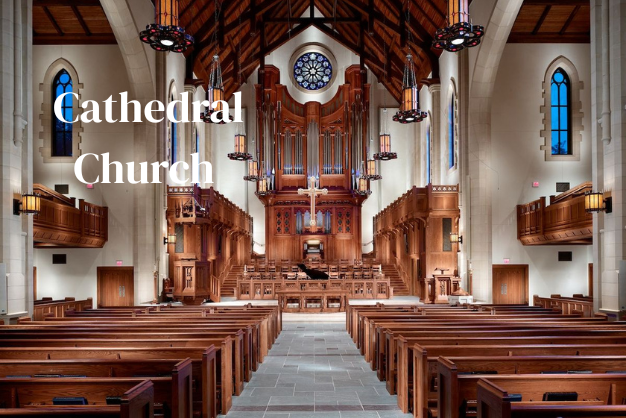
The cathedral churches are built in such a way that their essence creates a sense of worship and spirituality. Historically, they are the seat of a bishop and the over-riding head of a diocese. The architecture design (grand arches, stained glasses, high ceiling and so on) is specially designed in order to convey the emotions of reverence and divinity. There are also daily prayers, Sunday services, baptisms, wedding, funerals, and other religious performances that are undertaken by the cathedrals yearly. These rituals cause communities to be linked to the traditions that go century long and they bring in a sense of spiritual continuity. Getting into a cathedral is a means of avoiding the noise, and the stress of day to day life to many people.
The modern world was characterized by expanded cathedral churches. They have mostly started offering meditation programs, youth ministries, interfaith discussions, and inclusive programs in order to satisfy the needs of different congregations. This adaptability renders the cathedral worship to be important to the generation of any age, origin, and faith.
A Community Anchor: Social Participation and Nurturing
The cathedral churches play a vital role in the development of the life of the community although the vital one is the worship. Because of their halls, convenient locations and historical significance, they are simply natural occasions of gathering when it comes to religious and secular matters.
They have numerous cathedrals where they are the community hubs since they host:
- Charity events consist of food drives, donations of clothing and shelter programs.
- Training, lectures and seminars and visits to schools.
- Recreation, e.g. music concerts or art shows.
- Counseling and assistance on vulnerable families and persons.
These efforts signify several years of work to the society beyond the spiritual realms. Cathedrals tend to collaborate with various local associations, governmental agencies and volunteers so as to fulfill the expectations of the local people. This practice of collaboration helps to improve relationships between residents and brings unity within the groups of people.
Moreover, there are seasonal events (Christmas market, Easter festival, community fairs), which are rather widespread in cathedrals. It brings people together and improves the appreciation of the culture, leaves shared memories which can be considered as one of the aspects of local identity.
History: Preservationists of the Art and Culture
The most valuable cultural and historical structures of the world are cathedral churches. Many of them are hundreds of years old and incorporate the styles of architecture of Gothic, Romanesque, Baroque and Renaissance. They possess masterpieces, sculptures, paintings, tapestries, relic and extremely customised stained glasses, to tell biblical and historical stories. Besides the visual art, the cathedrals preserve the musical traditions in the form of well-known choirs and organ concerts. They are the sound in the cathedral halls that makes them very powerful sound spectacle that connects the visitors to both the old liturgical music and the modern music. The maintenance is a constant exercise. The cathedrals, along with conservationists, historians and architects are trying to ensure that their buildings are not destroyed by natural disasters, which destroy the environment, degrade, and destroy the natural sceneries around them. These historical gems are being preserved more using high-tech equipment such as digital maps, climatic regulators as well as environmentally friendly materials. Cathedrals also conserve this heritage through guided tours and online exhibitions as well as education. By doing this, they educate the future generation on the cultural, artistic and spiritual worth of such monumental buildings.
A Middle Ground between the Old and the New
One of the most remarkable features of the cathedral churches is their special ability to unite with tradition and modernity. Even though they are based on the centuries of religious history, they still react to the needs of the contemporary society.
Today the cathedrals are more likely to incorporate:
- The sustainable practices include the use of green landscape and solar panels.
- Remote services and online tours are examples of online communication.
- Community development projects that are related to urban areas.
It is this combination of the past and the present that has made cathedrals still fulfill their purpose in the life of the society today and still hold their historical and spiritual significance.
Conclusion
The cathedral church is not just a place of worship, but a community living center, cultural preservation and spiritual living. Its ascending high is very symbolic of the human imagination, devotion and faith and its fluctuating purpose has rendered it pertinent to the constantly shifting world. The cathedral church is a memorable experience that is captivating and one that is not forgotten into one pays to worship and get to know more about history and art, or just seek the sense of a community.