






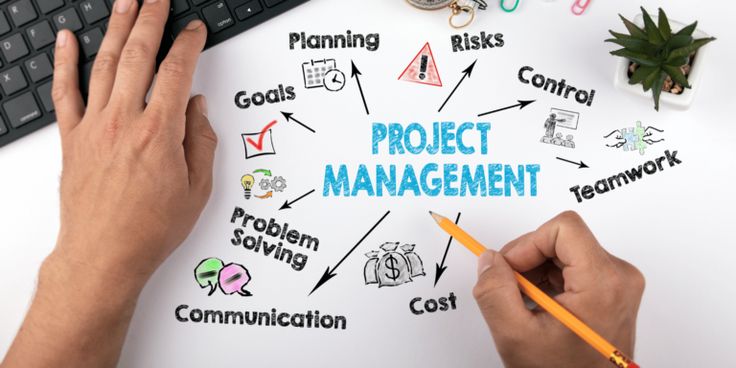
Project management requires one to be able to clearly delegate roles and responsibilities to the team members. The appropriate allocation of roles will guarantee the completion of tasks on time, the efficient utilization of the available resources, and the cohesive and motivated teams. The comprehension of the strengths of each member of the team, the matching between roles and the goals being achieved and the accountability of every member are the characteristics of the modern project management that define the success of the project. This paper discusses the options and best practices in role assignment to achieve efficiency in the project management.
Appreciating the Significance of Role Assignment
Role assignment is not just a situation of delegating duties but compatibility of responsibilities with skills, interests and expertise.
Clarity of roles results in team members:
- Know what is expected of them
- Do not have overlapping duties.
- Be more effective and assured in working.
- Lessen mistakes and misunderstanding.
Role assignment is also a good way through which project managers track progress, locate bottlenecks, and hold individuals accountable during the project lifecycle.
Evaluation of Team Competencies and Strengths
Team members should be evaluated in terms of skills, experiences and interests before roles are given to them. By knowing the strengths of each of the individuals, the project managers can distribute tasks in a way that would give maximum output.
For example:
- An employee who has a high level of analytical skills can be skilled in the areas of data analysis or quality control.
- An individual who is well-skilled in communication can be most appropriate in dealing with clients or handling stakeholders.
- Innovative, problem-solving, or designing work can be assigned to creative thinkers.
- Task matching competencies helps project managers to increase efficiency, motivation, and project performance.
Establishing Suitable Roles and Responsibilities
The next point is role definition of the team members after analyzing the capabilities of the team. This entails the description of tasks, duties, timelines and reporting lines. Clear roles eliminate confusion, cut down redundancy and enable team members to concentrate on their particular responsibilities.
The main aspects to be defined in each of the roles include:
- Role of responsibilities What do you include in your role and what you exclude?
- Authority level: How much can the team member make decisions on his own?
- Dependencies: what tasks do you depend on the completion of other tasks?
- Success criteria: What will the successful fulfillment of the role look like?
Role definition also helps in performance assessment and responsibility and the individual members of a team know what role they play towards the overall project.
Exploitation of Project Management Tools
Contemporary project management software has the potential of assisting the allocation of roles and monitoring of progress of task. With the help of software like Trello, Asana, Jira, and Microsoft project, managers can:
- Give tasks to definite team members.
- Establish time limits and targets.
- Keep track of developments.
- Work well and distribute resources.
Incorporating such tools, the managers make sure that the duties are clear and the team stays in order, as the level of confusion is eliminated, and the efficiency is increased.
Striking a Balance between Workloads and Preventing Overloads
There are many more aspects concerning the allocation of roles and it is not only about the matching of the skills but also about the balancing of the workloads. Working overtime and underwork of some team members and overworking others may result in burnout, low productivity, and delaying of a project.
The workload balancing strategies are:
- Sharing the work according to the capacity.
- Follow up and redistribution of duties as necessary.
- Promoting sharing of workload issues by the team members.
- Making sure that it is flexible enough to accommodate unforeseen changes or challenges.
- Equal role assignments keep the team morale high and also lead to completion of projects as scheduled.
Promoting Responsibility and Partnership
Role assignment should also be effective to promote teamwork and accountability. Although there are certain duties of every team member, these are done in a way that there is mutual effort and expertise on the project.
Best practices include:
- Establishing frequent check-ins and progress meetings.
- Promoting knowledge sharing and communication.
- Creating proper reporting and updating on the tasks.
- Appreciating personal effort and focusing on the team objectives.
Discipline and teamwork are incorporated in role assignments, which increase the chances of successful projects being efficiently executed.
Conclusion
Project management cannot be achieved without proper role assignments. To make the most out of efficiency and productivity, project managers can make the most out of team strengths, clarify team responsibilities, utilize project management tools, balance workloads, and advance accountability. Proper role assignment, in addition to improving project outcomes, leads to the development of motivation, collaboration, and other professionals within the team members. The modern world of work is highly competitive and dynamic, therefore, the skill of assigning roles should be mastered in order to lead successful projects and fulfill organizational goals.