





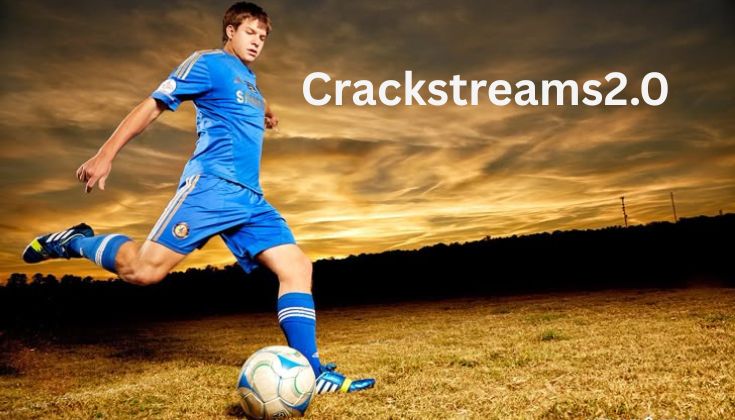
Consumption patterns of sports among audiences have transformed radically within the last ten years. Traditional television broadcasts to digital subscriptions and free online streams have led to fans having more opportunities than ever to be able to watch their favorite teams and athletes. One of the sites that have received publicity is Crackstreams2.0, a continuation of other previously available free sports streaming sites. Although this is a controversial topic, as it raises some legality and security concerns, Crackstreams2.0 also draws attention to the changes in the field of sports streaming.
The Demand of Sports Content that is accessible.
Sports have been a global attraction and live games are not available equally. The fans are usually hampered by the geographical boundaries, high subscription cost, or coverage of less mainstream events. The Crackstreams2.0 has come out as a reaction to these obstacles by providing free and very accessible streams.
This is an increasing reality in the market: viewers desire flexibility and low prices. As the price of official streams increases, thousands of fans are moving to the unofficial sites such as Crackstreams2.0 to follow their favorite teams. The platform depicts the impact of unsatisfied demand as a cause of the emergence of unofficial channels.
The Development of Free Streaming services.
Crackstreams2.0 did not emerge out of nowhere. It is following the footsteps of previous websites such as Crackstreams and other hubs of free-streaming sites that became popular in major sporting events. These sites have also become more accessible and easy to navigate with easier navigation, several streaming connections, as well as mobile device compatibility.
This development reflects the wider trends in the streaming industry where user experience is considered to be the most important. Although the Crackstreams2.0 is not an officially organized system, its design is a mirror of what the current viewers demand fast, reliable, and available streaming services.
Legal and Ethical Problems.
Although it is popular, Crackstreams2.0 is in the grey area of the law. Unauthorized event broadcasting is a common breach of the copyright laws in the event of sporting events generating ethical and legal dilemmas to both the users and the operators themselves. Major leagues and broadcast companies spend much on the purchases of streaming rights that finance teams, players, and the quality of the production.
It is possible to undermine this system, such as Crackstreams2.0, which he tries to do to the traditional economics of sports broadcasting. They bring up major concerns: Is access to sports a civic right to sports, or is it to be linked to exclusive, high-priced contracts? These discussions are transforming the thought process behind sports access among fans, leagues, and media houses.
Security and User Risks
The other important problem associated with Crackstreams2.0 is cybersecurity. Free streaming sites usually depend on the pop-up advertisement or third-party connections, which may subject the user to malware, phishing, or privacy invasion. In contrast to licensed services, the Crackstreams2.0 does not provide the guarantees of safety or reliability.
This shows the trade-offs which a large number of the fans have to make: free access or possible threats to privacy and device security. To others, the dangers are greater than the gains; to others, it is affordable to take the risk with Crackstreams2.0.
An Indication of General Streaming Trends.
Although Crackstreams2.0 is a controversial project, it is representative of the broader change in the digital realm:
- Cord-Cutting: Even more of the traditional cable subscribers are dropping in favor of an online alternative to live sport programming.
- Fragmentation of Services: As the leagues also build their own services (such as NBA League Pass and NFL Game Pass), the fans have to frequently buy several subscriptions, pushing some to freely available alternatives.
- International Demand: Due to geographic blockouts or prohibitive prices of official broadcasts, international fans resort to services such as Crackstreams2.0 to remain in touch with the international sporting life.
By doing so, Crackstreams2.0 is not merely a rogue site, but it represents what the viewers are fed up with and what they expect the streaming age to bring.
The Push Toward Innovation
Crackstreams2.0 is also popular, which puts pressure on official broadcasters to become innovative. The licensed platforms will need to enhance affordability, accessibility and flexibility in order to compete with the free service. Such aspects as subscriptions payable in tiers, trial, pay-per-game plans, or mobile access may fill the gap between the demand of fans and official services.
Other leagues are already experimenting with direct-to-consumer streaming models, in which they do not need to have an exclusive deal with cable companies. This can happen within a shorter time whereby fans will need additional control over their sports consumption.
Conclusion
Crackstreams2.0 can be on the periphery but its presence shows that there is a shift in the sports streaming arena. It indicates a level of frustration on behalf of the fans with regard to the high prices, the lack of coordinated service and geographical limitations, and highlights the rising need to have sports content that is relatively affordable and accessible to the fans.
Meanwhile, it provokes significant issues regarding legality, ethics, and cybersecurity. The moral of the story, in the case of the sports industry, is that until official services are upgraded to suit contemporary demands, other websites such as Crackstreams2.0 will keep gaining viewers.
Finally, Crackstreams2.0 is not just a streaming site, but it is also a reflection of the disruptive nature of the digital age, in which fans, leagues and platforms have to negotiate the inseparability of accessibility, revenue and innovation.