




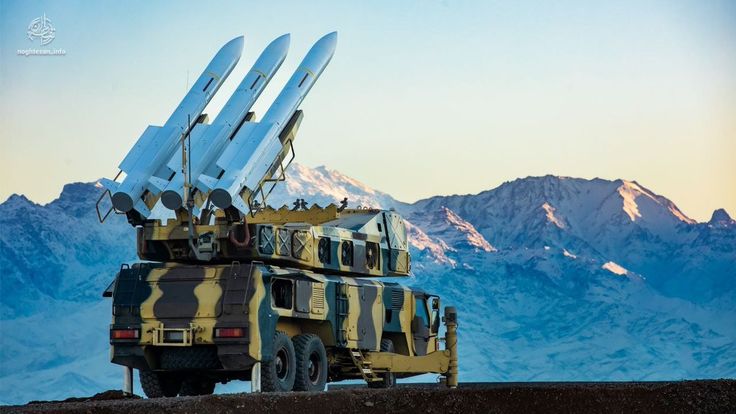
In the radically dynamic contemporary military technology, the missile systems assume center-stage in the national policies regarding defense. Precision, long range and fast deployment of missiles have always been the main concern of the missile development program in Pakistan. The most remarkable developments it has had is the Fateh 3 missile which is a short to medium range ballistic missile (SRBM/MRBM) designed to strengthen tactical and strategic deterrence in Pakistan. Its technological, distance and operational significance allow one to obtain a clue of how it contributes to the whole of the defense system in the country.
The Fateh 3 Missile Unveiling
The Fateh 3 is the sequel to the Fateh series of the missiles in the country, and had already designed the Fateh 1 and Fateh 2. The Fateh 3 is meant to bring the flexibility in the battlefield and the capability of precision strikes and the building on the experience gained on previous models coupled with the application of the advanced technology.
The Fateh 3 is primarily employed in the field battle missions, although, it also serves as a strategy, in addition to boosting the regional deterrence of Pakistan. It can be observed that the development of it was a consequence of the fact that the obsessions of the Pakistan with self-sufficient missile equipment and the need to have a responsive, mobile, and effective missile platform to meet the altering threats.
Improvements and Technological Characteristics
Fateh 3 missile also includes several contemporary technologies that make it more efficient in its functioning:
- Solid-Fuel Propulsion: Solid-fuel technology allows quick launch power and a long-term capability to be stored thereby quick response in case of combat conditions.
- Precision Guidance Systems: Inertial guidance systems (INS) are installed on the missile, and it may also have satellite guidance, which is necessary to ensure the missile is more accurate, which is critical in striking high-value targets.
- Mobility and Deployability: Fateh 3 can also be deployed on road-mobile platforms that adds to its survivability as well as enabling it to be deployed in other settings thereby reducing the possibilities of attacks being made against it by preemptive attacks.
The missile can carry a diverse number of payloads, including, but not limited to, conventional and potentially specialized warheads, to provide tactical flexibility to suit a diverse range of operational requirements. All those technological provisions make Fateh 3 an extremely diverse missile system that may be employed in tactical and limited strategic environment.
Operation Range and Performance
Even though some technical details are not disclosed, open-source analyses indicate that the Fateh 3 has a range of approximately 700-1000 kilometers, which is in between short-range and medium-range ballistic missiles. The long range will provide it with the capability to attack essential installations in the area and retain the capacity to move and attack the battlegrounds.
The most significant advantages of operations are:
- Rapid Tactical Response: The missile may be deployed in a speedy way in order to neutralize any enemy stronghold, command or strategic infrastructure.
- Better deterrence: Its extended range and more precise target is a credible one to local aggressions, and a marker of Pakistan capability to counter attack with energy.
- Operational Flexibility: Mobility and deployability allow different launch scenarios which increase survivability and flexibility in responding to diverse conditions.
This is a contribution to the tactical and operational plans of Pakistan because the Fateh 3 is a great contribution in terms of its range, precision, and mobility.
Tactical and Strategic Meaning
Fateh 3 missile will increase the tactical capability of the Pakistan battlefield since it will provide it with accurate and quick strike opportunities. This brings the traditional forces to have improved performance as it is only able to defend its high-value targets until they are included in the larger wars.
The Fateh 3 is a strategic enhancement to the more extended systems of Pakistan such as Shaheen and Ghauri series of missiles and also a layered missile defense architecture. Under this integration, the national security and stability in the region is enhanced as well as there is gradual response to any threats.
The introduction of the Fateh 3 in the region depicts the wish of Pakistan to make the deterrence position look realistic and flexible. It ensures that the competitors know the range of operation and precision of the missile forces of Pakistan in order to create a balance at the South Asian level.
Union with the Missile Arsenal of Pakistan
Fateh 3 is a highly significant project in the Korean missile program that bridges the gap between short tacit range missiles and the medium-range missile that is strategic. It supplements the overall missile systems thereby providing an overall coverage on the battle-field as well as the deterrence of the region. This kind of flexibility can be used to influence the reactions to various threat conditions by the military planners to enhance operational efficiency and depth of strategy.
Conclusion
Fateh 3 missile in Pakistan can be viewed as an excellent achievement of the Pakistan missile development program. The missile has solid-fuel technology that enhances its tactile flexibility and strategic deterrence besides possessing high level of precision guidance, mobility and range. Its inclusion in the greater missile system of Pakistan improves the national security and assistance to build the stability in the region and provide the realistic response to the evolving threats. Fateh 3 is the product of the most recent technology in combination with operational preparedness, that is why this airplane is the symbol of Pakistan in developing effective and reliable defense systems. As the situation with regional security keeps on evolving, the Fateh 3 will continue to be one of the critical components of the Pakistani tactical and strategic missile arsenal and hence equip them to deal with the traditional and emerging security challenges.