




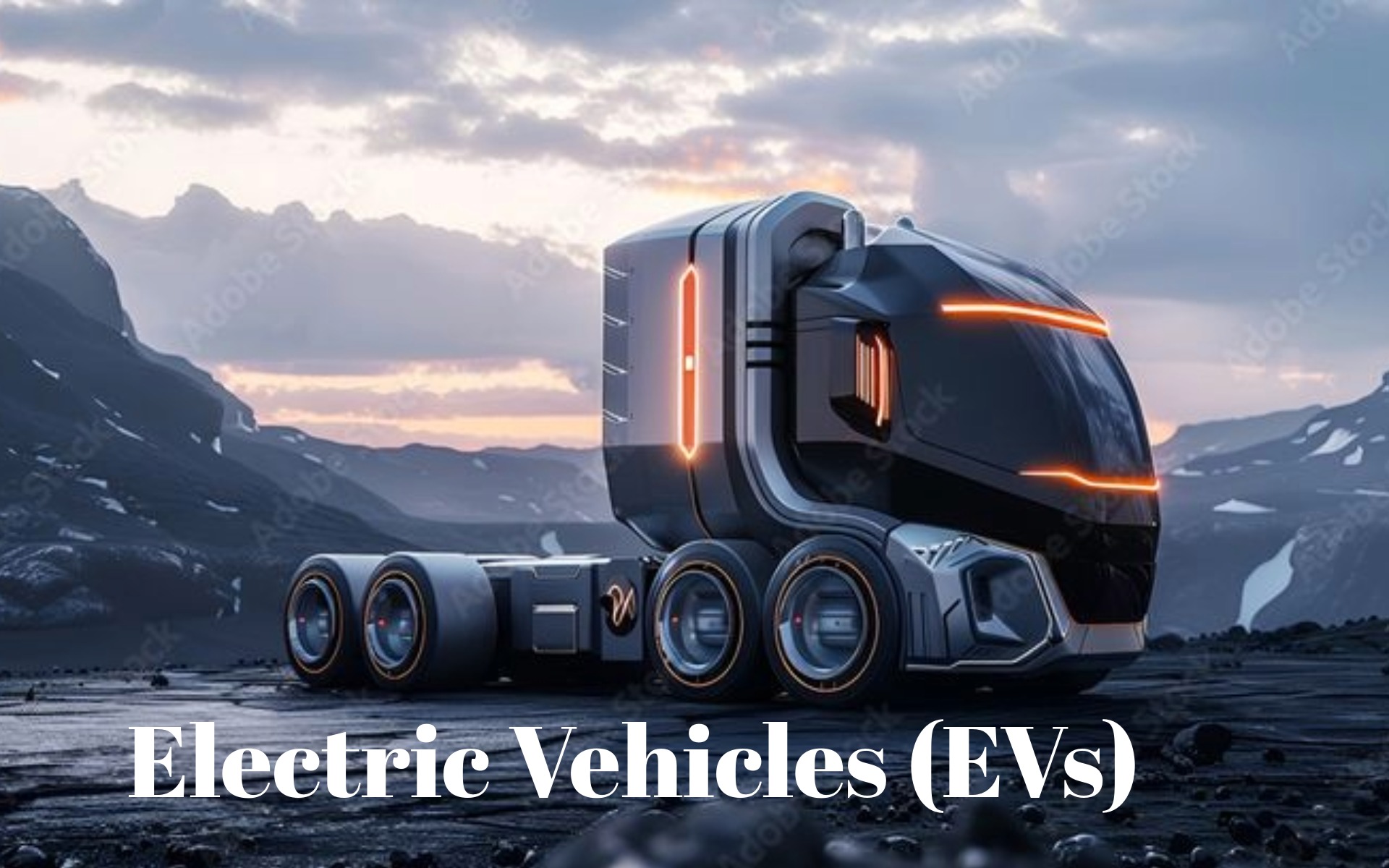
The existing accelerated Electric Vehicles (EVs) growth is producing one of the most paradigm shifts in the history of the world automotive business. EVs have already become mainstream and are transforming the design, production, charging and consumption of cars although it might not seem to be a mainstream product at first. The transformation can be noted as a sign of heightened technology, environment and consumer pressure, a new century of movement.
Internal Combustion Engine electric powering
The cars that were over a hundred years old and of internal combustion engine (ICE) were the dominant cars in the world. The climate change issue, air pollution, and the dependence on fossil energy, however, have led to the increased move to electric mobility. EVs replace gasoline and diesel engines with electric engines charged using rechargeable batteries, which are more environmentally friendly and efficient methods of transportation. This transformation can be addressed as not only the transformation of propulsion but also transformation of radical remodeling of the vehicle construction and performance.
Technological Innovation to change the industry
The EVs have been developed to a considerable extent due to the battery technology. The existing batteries are more energy compact, charge faster and in longer life cycle compared to the older ones. During the mean time, the developments of electric motors, power electronics and regenerative braking systems have ensured that the driving performance of the car is more efficient in terms of performance and efficiency. These innovations are forcing automotive firms to incur colossal sums of money in the research and development to achieve the volume of technological innovation in the whole industry.
Innovation: Re-designing of vehicles and production
EVs have established the design and production of cars of the new type. The manufacturers will be able to make the cars more pliable, adding more interior space and aerodynamics since they will not have huge engines or all-purpose gears. The EV production also has a greater usage of the software integration, automation and modular platforms. This implies that the automobile companies are not only re-tooling their plants, they are also re-investing in staff and also re-evaluating their supply chains to enable them produce electric cars.
Greenhouse gas and Sustainable Goals
The environmental benefit that the cars offer has been among the largest factors that have facilitated the usage of EVs. EVs lack tailpipes and this implies that they would cause negligible effects to air pollution in urban areas. They are also used to minimize the overall number of greenhouse gases in case they are fed on renewable sources of energy. EVs are already occupying one of the intermediate phases of the sustainability policy of the auto industry as the governments and companies invest in becoming green and attaining a net-zero carbon footprint.
Adjusting the Consumer Expectations and Demand in market
The shift in attitude is linked with the shift in technology of the cars by the consumers. The contemporary customers are more interested in the sustainability, low operation costs and the high level of digital requirements. In the case of EVs, no aggressive operating price, little maintenance requirements, and less fuel costs exist in relation to the conventional car models. It possesses other technology such as the over-air software updates, the smart connection and the driver-assistance systems which also transform the demands of the modern car by the consumer.
Industry partnership and Infrastructure development
The high number of EVs has created the necessity to invest all money in the infrastructure of charging. The state and the industry players are desired to collaborate to expand the fast-charge system and make it cheaper. The automakers, the energy companies and the governments are also in alliance to ensure that the infrastructure establishment is in tandem with the vehicle adoption. This collaboration highlights an aspect that EVs are forming a more interconnected car infrastructure.
Workforce and Economic Impression
Electric mobility is changing the automotive nature and the world as a whole. Although EVs have fewer mechanical components than the ICE automobiles, they require software creation, experience of electronics and battery manufacturing. The result of such a change is that it is not only establishing new jobs but also reinstating and placing the labor supply. The EVs are also posing a threat to the supply chain in the world particularly of a strategic mineral such as lithium, cobalt and nickel.
Automobile industry Future
The electric cars are not in the technological advancement, but the complete revolution in the automobile industry. As the EV penetration rate is high, and the government already imposes even stricter policies towards emissions and customers desire to utilize mobility solutions that are more environmentally friendly, the automakers are transitioning to the portfolios with more predominant electrification. One of the signs that there is a greater trend of sustainability, digitalization, and innovation that will continue to define the transportation in the next decades is the development of the industry.
Conclusion
EVs have become one of the trends in the development of the automotive industry. The EVs are revolutionizing the future of the mobility as it is changing the technology, manufacturing, environment and consumer needs. As the tide of innovation and acceptance sets in, EVs will be at the center of the revolution in an industry that evolves by the time standards.