






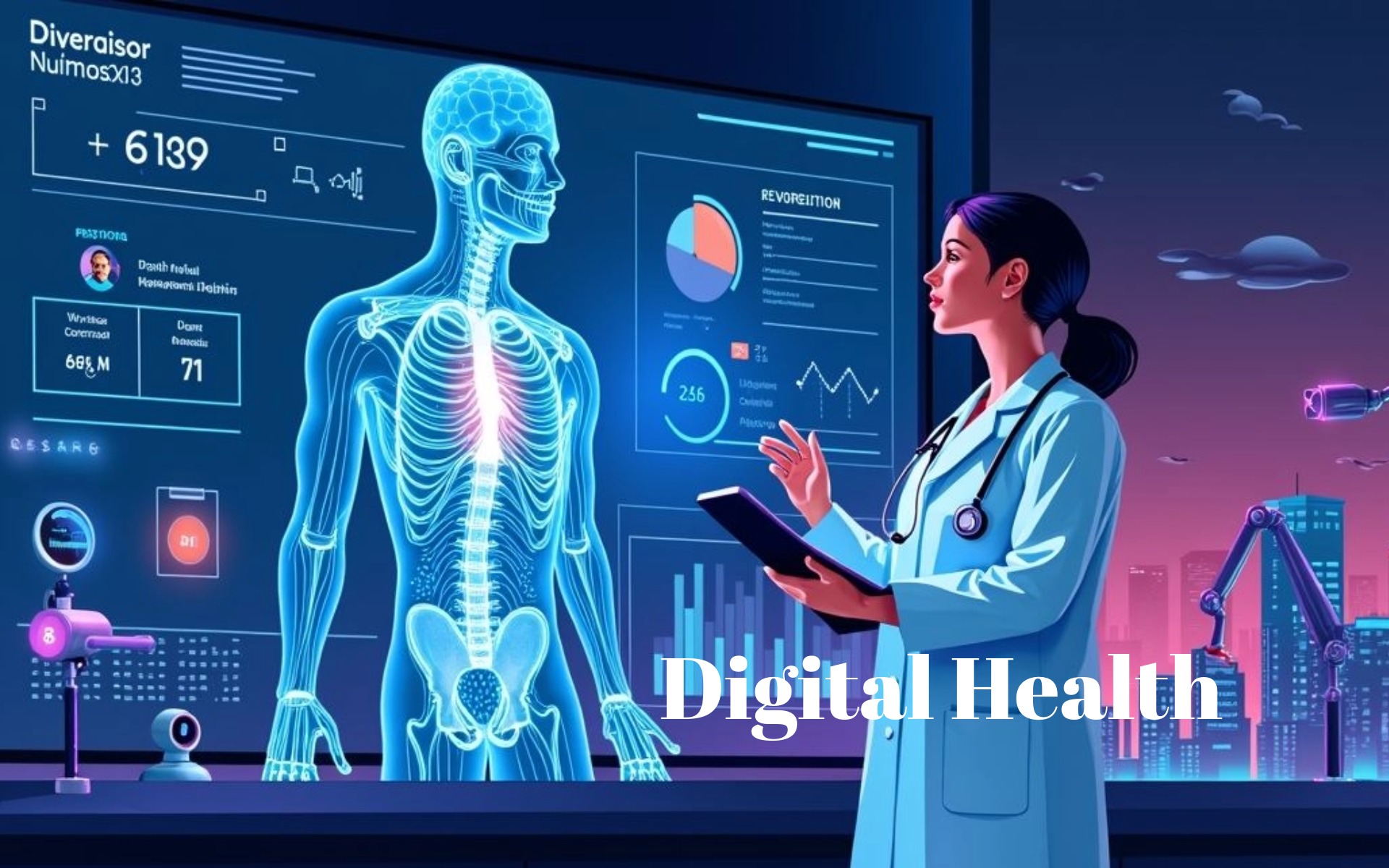
Prevention care entails the identification of health risks in their initial stages, healthy living and disease prevention in the initial stages before they progress to the advanced stages. Digital health technologies altered the prevention care model in the past years, turning it into more proactive, personalized, and accessible. Digital health provides individuals and health care practitioners the opportunity to track health around-the-clock and intervene early through the assistance of wearables, telemedicine, mobile health applications, and data analytics to enhance the results of care and save on the costs of long-term care.
The Reactive to Preventive Healthcare Paradigm Shift
The traditional healthcare is typically oriented at treating a patient once he/she is ill. Digital health technologies ensure the transition to prevention because these tools enable continuous monitoring of health conditions and the prevention of potential issues in a timely manner. This preventive measure allows the medical professionals to act on the risks, before they develop into chronic diseases to minimize hospitalization and improve the quality of life.
Digital technology, when utilized to collect the real-time health data helps in attracting patterns and red flags which may not be evident during the routine consultation period. This shift supports the idea of long-term wellness and rejects short-term treatment.
Wearable devices and Remote Monitoring
Fashionable items also form part of preventive treatment. Such vital signs as the heart rate, physical activity, sleep quality, and oxygen levels are monitored through health sensors, smartwatches, and fitness trackers. Such devices will ensure that people are active when it comes to their health, and consider the healthier lifestyle decisions.
Remote patient monitoring helps medical professionals to track patient health records outside the clinic. It comes in especially handy with such individuals as those with chronic illnesses or higher risk due to the ability to change health parameters early on and provoke the required action and prevent complications.
Preventive Services Telehealth and Virtual
Telehealth has enhanced preventive treatment by means of virtual consultation, screening, and post-visit visits. It gives the patients a chance to communicate with healthcare workers in their houses without struggling to cross the barriers of time and costs of travelling.
Virtual preventive care is applied in routine examinations, life coaching, and psychological examinations. This will contribute to lowering the prevalence of the disease as more people will be motivated to seek preventative care hence leading to early detection and prevention of the diseases.
Individual Care and Mobile Health Apps
The mobile health applications prove to be effective in the preventative care since they push personalized health information, reminders, and learning materials. Apps can monitor nutrition, physical activity, medicine intake and stress levels and can help people to make wise choices on their lifestyles.
Personalized feedback to user data makes one more active and inspired. Digital health tools help make sustainable behavioral changes to minimize the threat of preventable diseases since they offer recommendations to personal needs.
Predictive Intelligence and Analytics
The second generation data analytics and artificial intelligence assist in enhancing preventive care by trend detection and predicting health risks. Digital systems will have the power to push early warning messages and prescribe preventive measures based on working with enormous amounts of electronic health records, wearables, and health apps data.
Predictive analytics can assist healthcare providers with concentrating on vulnerable populations, screeening them more effectively, and coming up with particular prevention strategies. These lessons help in the provision of better and efficient healthcare.
Improving the Population Health Management
Digital health technologies can be used to preventive care on the population level since the health systems can monitor the trends at the community level with the help of the digital health technologies. Evidence-based information helps in the establishment of risk of the health of the population, the control of the outbreak, and the efficiency of preventive programs.
The population health management tools assist in interventions, health education, and distributing resources. This is very appropriate to promote the general well being of the population and makes it sustainable in the long term.
Enhancing Patient Engagement and Empowerment
The best way of preventing care is by ensuring the people are actively involved in the management of their health. Digital health solutions help patients to possess positive power since they can easily access health information, progress reports, and communication with medical professionals in a simple way.
People will be more proactive once they get to know their health data and provide feedback on time. This communication results in accountability, reliance and long term health.
Challenges and Ethical Concerns
However, the problems of digital preventive care are privacy of data, threats of cybersecurity, and disparity of access to technology. The security of the personal health information and the digital divide is an important pillar in making digital health solutions work to ensure the maximum impact of the digital health solutions.
To enhance trust, medical institutions should dwell on ethical usage of data, transparency, and inclusivity, and equitable access to preventive technologies in care.
Conclusion
Digital health is transforming preventative care by early diagnosis and individualised care and ongoing monitoring of health. Digital health changes the way healthcare is handled by making it proactive, preventative and through the use of wearables, telehealth, mobile applications and data analytics. As the technological advancement continues, digital health will be more important in improving the health of the population, reducing the healthcare costs and allowing the population to have control over their health.