






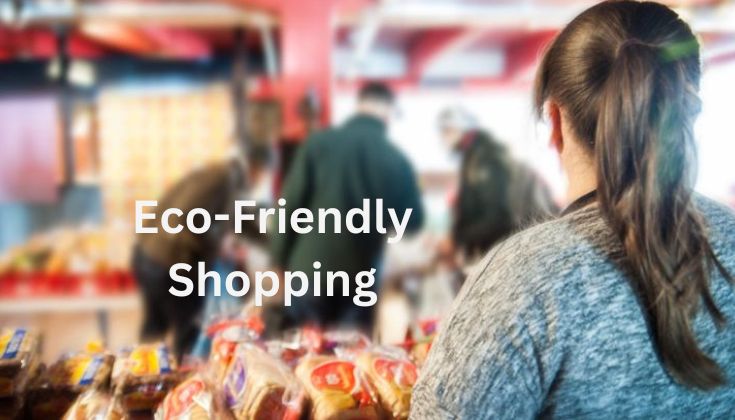
Consumers are increasingly conscious of the environmental burden of their decisions in a time when fast fashion, mass production, and overconsumption is the order of the day. It is against this increasing worry that the flea markets have been reintroduced as a more sustainable solution to the problem of money saving, waste minimization, and community-based support among the shoppers. Not only bargain hunting centers, nowadays flea markets are the markets where green ethics and discoveries meet. To determine how flea markets contribute to achieving green shopping behavior, we can refer to the relationship between flea markets and sustainability.
Reusing Waste: Reduction
Sustainability is based on the principle of the minimization of waste, and flea markets are the embodiment of this philosophy. Sellers usually market used products, antique, and vintage products, and reclaimed products that would have found their way in landfills. Removing products off the shelves, the shoppers in the flea markets prolong the life cycle of products. Just to give an example, purchasing a used furniture or a slightly worn-out jacket does not only conserve resources but also lowers the need to produce new products, which tends to generate energy and is polluting.
A Break from Fast Fashion
Fashion industry has been rated as among the biggest polluters of the world with a massive amount of carbon gases, water usage and textile waste. Flea markets are the solution to this as they have cheap and stylish alternatives of fast fashion. The wardrobe of the shoppers becomes more sustainable as they will be able to find unique clothes that represent personal style and not the mass trend. Secondhand fashion is also purchased to curb the environmental burden, which goes with fabrication like use of harmful dyes and synthetic materials.
Raising Local and Small-Scale Vendors
Flea markets are not products only but about people too. A lot of vendors are artists or hobbies or small business owners who depend on flea markets to display their products. By backing them, a local circular economy will be promoted instead of further supporting big businesses, which usually focus on profit maximization, and not on sustainability. The direct-to-consumer approach will decrease the carbon footprint of big production and distribution channels, which will make flea markets more eco-friendly by default.
The Repurposing and Upcycling Movement
Creativity is one of the most exciting things that are offered in flea markets. Upcycling is a wide industry that has numerous sellers recycling the outmoded products into something and something useful. A used ladder is transformed into a bookshelf, used clothes are reused into tote bags, used glass bottles are usable as a lamp. Flea markets help preserve old materials and, therefore, it is more important that the quantity of the new resources required falls at the same time innovative design is offered. The decision to buy recycled products is sustainable and fashionable to the shoppers.
Cultural Shift to Noticeable Consumerism
Purchasing in flea markets is not part of purchase experiences but a statement. It can be seen as a pointer towards a growing realization of the fact that consumer behaviors have a direct impact on the environment. Flea markets make conscious consumers spend as compared to the traditional malls or online shopping sites. All purchases will be strategic, and it may be value, exclusivity, or ecological campaign. This cultural shift towards conscious consumerism is also contributing to the redefinition of the way that we view consumption as an endless hunt at the new, but as a holiday of the meaningful and the sustainable.
Green shopping Process
Besides the products, the atmosphere of flea markets makes the shopping experience more planned and slow. It is a sharp contrast between browsing in stalls, negotiating with suppliers and finding secret treasures to the immediate advantage of fast online shopping. This low rate will help the consumers appreciate the value of goods, their history, and meditate over the sustainability of their choices. Flea markets to a very large degree cause people to buy less yet of high quality.
Issues and Next Possibility
Pest markets, though no doubt environmentally friendly, do not go easily. There are occasions where their ability is limited because of laws, availability and the attitude of the consumer. However, the future of the growth of flea markets as the green shopping center is immense with the environmental movement as the new global agenda. The use of the digital mediums to connect the vendors to the buyers, e.g. would make them have more power without making them lose their community-driven character.
In brief: Small Steps, Big Impact
Green shopping does not always require radical measures- it may be started by simple ones, e.g. the choice of shopping at a flea market and buying second hand. All the products purchased contribute to the reduction of waste and conservation of resources and create local economies. Fleece markets are a possible and entertaining mode of life sustainability in the world, which is concerned with climate change and excessive consumption. These markets bring us faster to the reality that sustainable shopping is not only about saving the world, but also creating a culture that appreciates the past, design and community.