




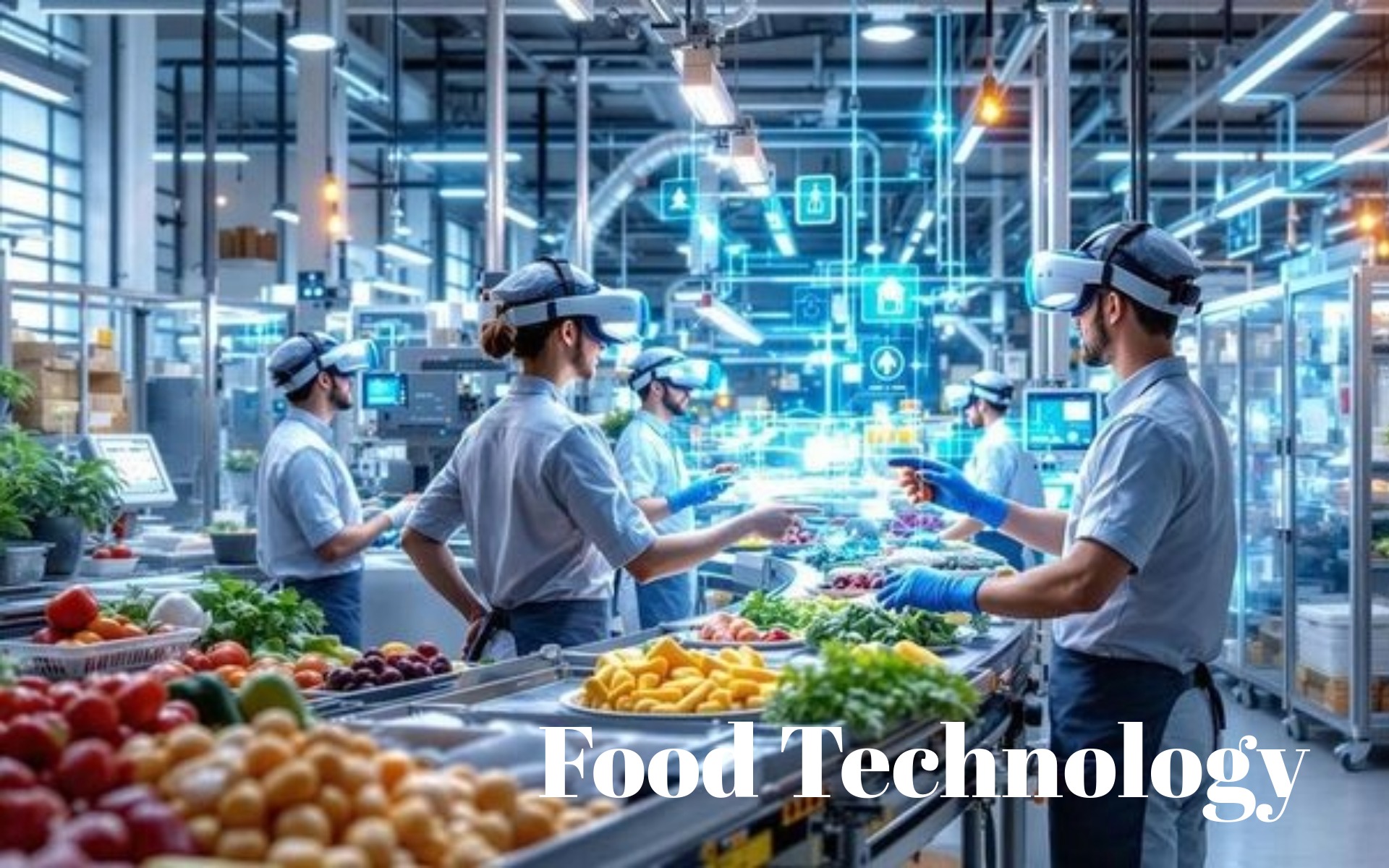
Food technology has been of great importance in that the modern diets and the health of the consumers get to the frontline. The world changes that have triggered the changes in the food system are population, urbanization and lifestyle changes; therefore, food technology is more so important in promoting nutrition, food safety and food availability. Whether it borders on advanced food processing methods, electronic methods of monitoring the food consumption that gets passed into the body, food technology is reshaping the manner in which food is manufactured, stored and consumed along with the consequences that are experienced on the overall health of the populace as a whole.
Improvement in Nutritional Quality Innovation
The addition of nutritional value of food should be cited as one of the biggest inventions of the food technology. Fortification and biofortification are some of the ways that have been employed to enrich ordinary foods with the desired nutrients which counter nutrient deficiencies. The enriched cereals, milk products, and staple foods have been critical in relieving the majority of the populations on iron, iodine, and vitamin D deficiency.
The other way that food technology can help in the development of functional foods is through development of products which are not aimed at offering nutrition but functionality considerations. They consist of probiotic yogurts, foods, which are fortified with omega-3 and vegetarian protein, which ensures the health of the heart, the digestive system, and the body.
Enhancing Food Safety and Consumer protection
Food safety is a major precaution that will determine health of the consumers and food technology would contribute immensely in reduction of hazards that are feared with foodborne diseases. This can be attributed to the fact that the quality of nutrition value is not compromised due to the establishment of superior processing procedures like pasteurization, sterilization and high pressure processing in order to inactivate the destructive microorganisms.
Some of the other existing food safety technology are enhanced packaging, traceability and real time monitoring. The innovations can be used in the prevention of the contamination, compliance with the regulations and the trust to the consumer by means of the provision of transparency within the entire food supply chain.
Promotion of the Healthy Food Choices
Food technology has assisted in the production of more nutritious food choices that would support the current nutritional lifestyles. The low-fat and reduced-sugar and low-sodium products can be formulated using alternative formulations and ingredients. The consumers are able to control obesity, diabetes and cardiovascular disease with the help of the innovations.
In addition, to make the informed choice, the digital food technologies (smart labeling systems and nutrition applications) can help the consumers. These apps will facilitate healthy eating habits and awareness of dietary requirements because they will offer convenient to follow nutrition information and individual suggestions.
The Processing Nutritional Balance
Although food processing has been blamed to cause the degradation of nutritional value, the modern food technology aims at preserving the nutritional value in addition to supporting the food with increased shelf life. Freezing, drying and little processing of foods are some of the processes of preserving vitamins and minerals as well as reducing wastes of foods.
The processing innovations also provide the ability to do better portion control and uniformity of quality to permit balanced nutrition. Food processing can also help people to access healthy food particularly in areas where the accessibility of fresh foods is limited when it is used appropriately.
Adjustment of Special Dietary Requirement
Food technology has a major role in addressing the requirements of the individuals with nutritional/health limitations. They are all devoid of allergens, lactose-free, and gluten-free, prepared with the help of some processing methods, which do not interfere with the safety and nutritional values of the food.
The medical nutrition products are fortified supplements and special formulas, which are consumed by the chronically diseased, old, and also those people who have previously gone through medical surgery. By means of these inventions, the life of people is made better, as well as unwanted health outcomes are prevented.
Sustainable and its Relationship with Health
The environmental stability and food security indirectly affect health of the consumer since the sustainable ways of food technology practices promote food security and environmental stability. Minimized food waste technologies, resource conservation technologies or in place of plants generate more sustainable diets.
Alternative protein technologies including the plant-based that are considered to be nutritionally viable and less damaging to the environment are other technologies that could be considered. They are healthy to the heart products which diminish global sustainability concerns in terms of nutrition and environmental responsibility and long term health of the population.
Suffering and Moral aftermaths
The good side of food technology also exists but the technological breakthrough leads to such fears as ultra-processed foods, misinformation, and additives to the final consumer. The factors of unhealthy eating are also due to excessive intake of highly processed food unless this is balanced with the whole food.
The best interest of the population health should also be in food technology and this will be by way of transparency, regulation and consumer education. Labeling, marketing and accessibility ethical issues are to be considered as the manner of being trusted and fair in the food systems.
Conclusion
Nutrition and health of the consumer may be greatly influenced by the use of food technology, as its effects are increased food safety, nutritional value and healthier nutritional choices. The food technology can help transform the health outcomes and food security of the country through innovation, responsible technology, and digital tools. With the changing industry, it will be necessitated to sustain a technological advancement in line with the nutritional science and ethical behavior to create a healthier and more sustainable future.