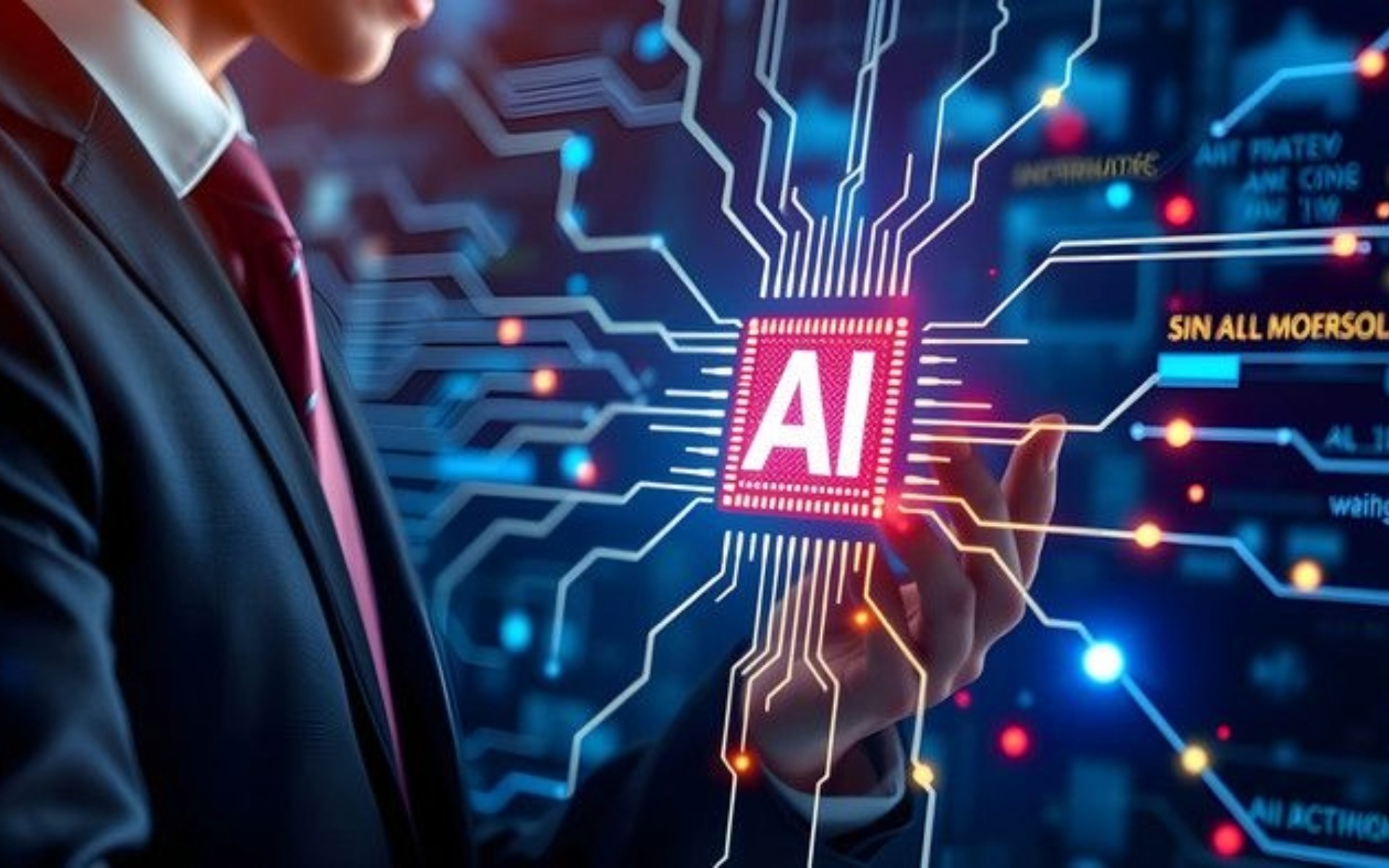





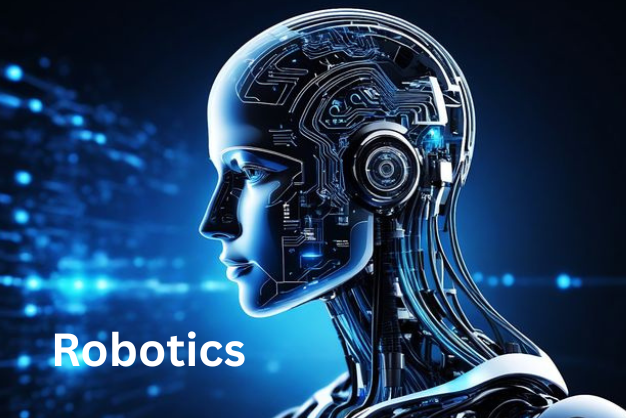
Robotics, artificial intelligence (AI) and machine learning (ML) have now been termed as some of the most radical technologies of the 21 st century. Although, independent of each other in their areas, at the crossroads of the two topics, innovation can be facilitated in the least amount of time. Robotics is the embodiment of intelligent systems, AI and ML give the ability to make a choice, and it is due to these aspects, that in just a few years, the machines are learning, evolving and do what people did not so long ago. A combination of all technologies is leading to technological breakthroughs in all spheres including manufacturing, healthcare, transport, or even smart home.
Letrocy relationship: AI and robotics Symbiotic relationships.
Robotics are accompanied with artificial intelligence. AI is used in robots to determine patterns and execute them automatically by analyzing the information but in AI systems the actions are performed by the robot platform, which is being used to perform the action the robot has learned in reality. The greater the amount of information collected by the robot with the help of sensors, cameras, and bodily touching the bigger the training material the AI systems might possess and the narrower it will become. That is the feedback mechanism which causes machine learning models to become smarter and more efficient as the robots get smarter and efficient.
Machine Learning: Intelligent smart Robots.
The machine learning algorithms allow robots to learn by experience as compared to instructions that must be encoded into the robots. Alternative approaches to acquiring knowledge by robots can be supervised learning, reinforcement learning, and deep learning, which allow them to understand a great deal of data. To illustrate, a reinforcement learning system can be used where the robots are given a task, e.g. picking up a certain object, or walking around a room, and made to repeat it until they are capable of doing it with professionalism. The closer the robot would relate to the surrounding, the more it will be capable of making the decision, and that is why the sphere of AI in general will have to evolve.
Computer Vision and Object Recognition.
Computer vision is considered to be one of the biggest progresses in AI-based robotics. Robots have deep learning algorithms and cameras that help them to scan the environment, comprehend the environment and make decisions based on what is before them. The development is paramount in the case of self-driving cars, automated warehouse systems, and robots in the health care industry. Computer vision also allows using robots in the factory to identify a defect in the new object produced, identify a human gesture, avoid any obstacle on the path, and navigate in complex environments. The more advanced and reliable a robot, the more it is going to be used in image and pattern recognition.
The Natural Language Processing Supersedes Interaction between humans and robots.
The other field of synergies of robotics and AI is the natural language processing (NLP). Through the assistance of NLP, communication between the user and the robot is more simulated and less complex since the robot knows the human speech and can respond to it. NLP is used in social robots, customer service bots, and hospital assistant robots so that they could be able to communicate with people. The ability opens up fresh opportunities in the field of education, care of the elderly, and also in the process of communicating with the customers where the robots can offer companionship, guidance and communication services previously offered by a human being.
Self-Driving and Mobile.
The area of movement and navigation is now far more superior in the AI-driven robotics. All autonomic drones, self-driving cars, and robotic delivery systems operate based on AI code and analyze sensor data, assess the risk, and make a safe move. Machine learning can allow such robots to make immediate decisions, solve problems, take tactical courses, even foresee new changes in the environment. These innovations are transforming the world of logistics, transport system in urban environment and response to emergencies.
Artificial Intelligence of Robotics Enhanced.
Although AI can be fed on simulated data, in the real world, it is an important experimental platform that is essential to be provided by the robot. The variables in the levels of the physical environments include unpredictability, physical constraints and human interaction which cannot be entirely simulated in the simulation. The application of robots to AI models is to refine to obtain real-time feedback, find mistakes, and demonstrate edge cases. This kind of relationship increases the precision and strength of AI systems thereby leading to machine learning and algorithm efficiency.
Healthcare Change. Industry.
Robotics, AI, and ML are the three notions that have already found their way into the contemporary industries. The deployment of collaborative robots (cobots) is currently being introduced into the smart factories to perform alongside humans and are utilized in a careful manner to perform repetitive or unsafe tasks. The AI-driven robots are helpful in healthcare, particularly surgery, diagnostics of diseases using the capabilities of AI analytics, and rehabilitation of a patient. The intelligent robots involved in farming are used in monitoring the crops, controlling soil data and harvesting. The applications such as these prove the purpose of robotics in transforming AI to models into reality solutions.
Smart Robotics Future and Moral Implication.
The issue of ethics is still even more significant with the further progressive development of robotics and artificial intelligence. Issues of job displacement, data privacy, decision and safety transparency are to be considered. Irrespective of these issues, robotics is optimistic about the future. The smart robots will still be at the service of the industries, enhance the human potential and be part of the scientific findings. The further involvement of developed AI will enhance the opportunities and make robots more versatile, free, and valuable to the society.
Conclusion.
The role of robotics in accelerating the rate of artificial intelligence and machine learning is extremely important. Autonomous decision-making, interaction with the world in real life, and learning based on the data are the techniques according to which robots optimize AI algorithms and open the prospect of automation and innovation. Since the technological creation is constantly growing, the alliance between robotics and AI will transform the industries, remodel the everyday existence and will determine the future of the smart systems.